
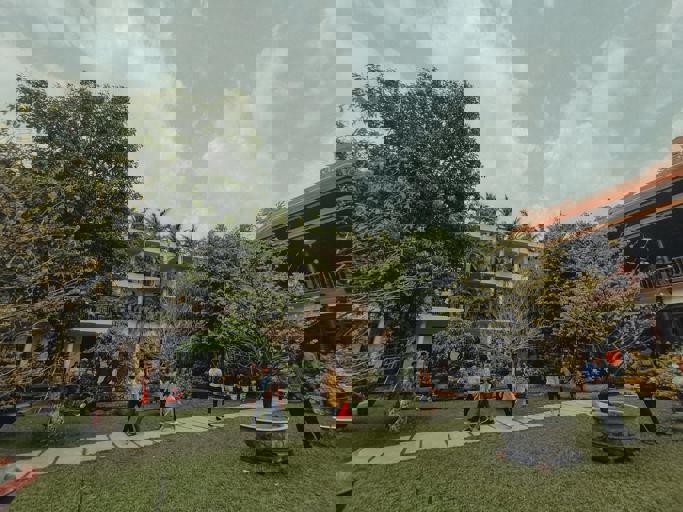
For one week only, a selection of the city's most enigmatic courtyards and secluded gardens is opening its gates to the public as part of the much-anticipated Secret Spaces Week. The initiative, backed by the city council, offers residents and visitors an unusual chance to step beyond familiar streets and immerse themselves in the hidden green sanctuaries and winding alleys that have, until now, only been glimpsed from afar or altogether unknown.
Historically, these secretive spaces have been the province of private institutions, residents, or long-standing businesses. Many date back centuries, acting as intertwined threads in the urban fabric. From Renaissance-era courtyards tucked behind once-grand merchant houses to Victorian gardens nestled between rows of terraced homes, these areas have witnessed everything from clandestine meetings to moments of quiet contemplation amid city bustle.
City officials say the unveiling is aimed at fostering a deeper appreciation for local heritage and architecture. “These spaces are living records of our past,” explains Councillor Miriam Dowsett, one of the initiative’s coordinators. “We want people to experience the beauty and significance of places that have quietly shaped our history but remained in the shadows.” Volunteers and heritage experts will be on hand throughout the week to provide context and share stories.
Interest in Secret Spaces Week has soared, with tickets for guided tours of some of the most coveted locations being snapped up within hours of release. Garden historian Nigel Carmichael commented, “There’s a perennial fascination with what lies behind city walls. These hidden courtyards are often time capsules—planting schemes, stonework, and even wrought iron gates reflect shifting tastes and social changes over decades, even centuries.” Many of the featured courtyards contain rare plant specimens or architectural elements.
Among this year’s highlights is the nearly mythical Ivy Walk, a slender alley flanked by high-bricked facades and shrouded in climbing greenery. Normally closed off to the public, it’s been described by those who have seen it as a ‘living corridor of natural art,’ a term that delights botanical enthusiasts and photographers alike. Its unveiling for the week is expected to draw significant crowds eager to document this verdant thoroughfare.
Organisers have ensured that accessibility is a priority, making arrangements for ramps and guides wherever possible, though some older sites present inevitable challenges due to their age and layout. Special maps and audio guides are available to make each location’s unique history and details accessible to all. Information stations will also be set up at the entrances explaining the courtyards’ origins, former inhabitants, and notable historical events.
Resident response to Secret Spaces Week has been overwhelmingly positive. Local business owner Yasmin Roberts said, “For years, I've walked past certain gates and courtyards, always wondering about their stories. To finally be able to step inside and see them in bloom is a real privilege.” Many believe the initiative brings a renewed sense of community and gentle curiosity about the layers of everyday surroundings.
Adding another layer to the event, several participating courtyards will stage live performances and pop-up art exhibitions inspired by the city’s hidden spaces. Musicians, poets, and installation artists have been commissioned to interpret the landscapes and histories of these secluded venues. These creative interpretations aim to forge new connections between contemporary art and the silent testimony of the city’s heritage sites.
Sustainability and preservation stand as central themes throughout Secret Spaces Week. The initiative hopes to raise awareness of the fragility of these environments. Many courtyards contain heritage plants or period-correct landscaping, making them living museums under threat from urban development and environmental change. Visitors are encouraged to consider the importance of preservation while dosing with a gentle sense of wonder.
Data from previous cultural initiatives suggest that opening up hidden heritage sites can have a positive economic impact. Analysts estimate that local businesses, particularly cafés, bookshops, and craft shops in proximity to participating courtyards, could see a 15% uptick in trade during Secret Spaces Week. The event also aims to inspire future engagement with urban heritage, perhaps sowing the seeds for more sustained public access projects.
Security and conservation teams are on high alert to ensure that these delicately balanced environments are not compromised by the influx of visitors. Strict rules govern visitor movement within each courtyard, and organisers have consulted with conservation specialists to protect vulnerable wildlife and historical features. The hope is that by marrying public enthusiasm with careful management, the courtyards can be enjoyed by many generations to come.
As Secret Spaces Week draws visitors from all backgrounds, city officials and heritage advocates hope the event will spark continuing interest in hidden history and the importance of safeguarding shared spaces. The fleeting opportunity encourages not only exploration but a deeper, more mindful connection with the parts of the city that have quietly existed just out of sight. Tickets remain in high demand, and anticipation is palpable for what could become a beloved annual tradition, blending discovery with stewardship.